
A well-maintained property does more than look appealing from the street. It provides safer spaces for daily activities, protects important structural features, and makes seasonal changes easier to manage. From heavy rainfall and falling branches to winter ice and summer heat, outdoor conditions affect the surfaces and systems surrounding a home. Planning regular upkeep helps homeowners address developing problems before they interrupt routines or require extensive repairs.
Effective property maintenance involves more than completing a few projects during spring cleaning. Trees, lawns, driveways, gutters, chimneys, and other exterior features have different maintenance needs throughout the year. Some tasks can be handled through routine inspections, while others require specialized equipment or professional assistance. By coordinating outdoor services and establishing a realistic schedule, homeowners can keep their properties functional, accessible, and welcoming through every season. The following strategies focus on practical priorities that support safety, prevent avoidable damage, and preserve the usefulness of residential outdoor spaces.
Evaluate Trees for Safety and Long-Term Health
Healthy, well-positioned trees provide shade, privacy, and character, but neglected trees can also create hazards. Branches extending over roofs, power lines, walkways, or parking areas deserve attention, especially before periods of strong wind or heavy snow. Homeowners should look for cracked limbs, dead wood, leaning trunks, exposed roots, and visible changes in the canopy. These signs do not always mean a tree must come down, but they can indicate a need for closer evaluation.
A local tree service can assess structural concerns and recommend appropriate maintenance for the species, age, and location of each tree. Professional tree pruning can remove hazardous limbs, improve clearance, and encourage healthier growth when performed using suitable techniques. Cutting branches indiscriminately, however, can weaken a tree or leave it more vulnerable to disease and weather damage. Tree care professionals can also advise on how much clearance to maintain around a house without harming the tree’s natural form.
In some circumstances, tree removal is the safer option. A severely damaged, unstable, or declining tree near a home may present risks that trimming cannot adequately address. Removal work is dangerous when large limbs, nearby buildings, or electrical lines are involved, so homeowners should avoid attempting complex jobs themselves. Regular evaluations help keep mature trees an asset rather than an unexpected source of property damage.
Maintain a Healthy Lawn and Stable Landscape
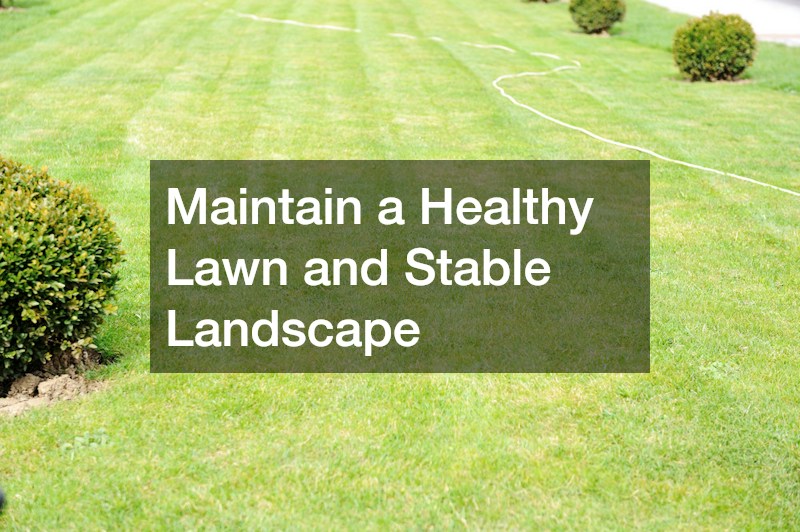
Lawns and planting beds are more than decorative features. Vegetation helps hold soil in place, absorbs rainfall, and creates usable outdoor areas for recreation and gatherings. Thin grass, compacted soil, uneven ground, and persistent puddles can make a yard less comfortable while contributing to drainage problems. Assessing these conditions early makes it easier to choose improvements that address their underlying causes.
Local lawn care services can assist with mowing, seasonal cleanup, aeration, overseeding, and other tasks appropriate to the property’s grass type and growing conditions. Consistent mowing heights and watering practices can help grass develop stronger roots, while removing accumulated leaves allows light and air to reach the turf. Homeowners should also examine grading near foundations and pathways, particularly where water consistently collects after storms.
For low areas or planting projects, topsoil delivery services can supply material for garden beds, lawn restoration, and selected grading improvements. The source of runoff, slope of the land, and nearby drainage outlets should be considered first. When larger changes are necessary, qualified landscaping professionals can help determine whether regrading or another drainage solution is appropriate. Thoughtful lawn and soil maintenance improves appearance while keeping outdoor areas more resilient through changing weather.
Protect Gutters, Roof Edges, and Drainage Paths
Rainwater needs a clear route away from the roof, walls, and foundation. When gutters fill with leaves, twigs, and debris, water can overflow where it should not. Repeated overflow may stain siding, erode landscaping, saturate soil near the foundation, or contribute to icy patches during colder weather. Routine gutter inspections are especially important after storms and during seasons when nearby trees shed leaves.
Gutter guards can reduce the amount of larger debris entering the system, potentially decreasing how often gutters need cleaning. They are not a substitute for all maintenance, however. Small particles may still accumulate, and downspouts can become obstructed even when guards are installed. Homeowners should check for sagging sections, loose fasteners, leaks at joints, and water spilling over gutter edges during rainfall.
Downspouts should discharge water to an appropriate location away from the building without creating problems for neighboring properties or walkways. Check that splash blocks, extensions, and drainage channels remain correctly positioned after landscaping work or snow removal. If water repeatedly pools near the foundation, further evaluation may be needed to identify grading or drainage deficiencies.
Roof edges also deserve visual checks from the ground. Missing shingles, detached flashing, and damaged fascia can allow moisture into vulnerable areas. Avoid climbing onto a steep roof or using an unstable ladder to investigate; professional inspection is the safer approach when access is difficult. Keeping roof drainage functional protects multiple parts of the property at once.
Keep Driveways and Walkways in Reliable Condition
Driveways, paths, and parking areas experience daily wear from vehicles, foot traffic, temperature changes, and moisture. Small cracks may initially seem cosmetic, but water can enter openings and contribute to further deterioration during freezing and thawing cycles. Uneven surfaces also increase the chance of trips, falls, and drainage problems. Walking the property periodically helps homeowners identify damage before it spreads.
Driveway caulking services can address suitable joints and cracks using products designed for the existing surface and expected movement. Proper preparation matters: debris, loose material, and moisture can affect how well a sealant performs. Not every crack should be treated the same way, and significant settling or widespread deterioration may call for a different repair strategy.
When a driveway has extensive damage or no longer meets the household’s needs, residential paving can provide a more substantial improvement. Material choices, drainage design, slope, and anticipated vehicle loads all influence the finished result. Homeowners considering resurfacing or replacement should discuss how existing defects will be handled rather than focusing only on the appearance of the new surface.
Regular sweeping and prompt cleanup of spills can also support pavement maintenance. Addressing modest problems as they arise helps preserve safe access for vehicles, deliveries, visitors, and household members throughout the year.
Prepare Early for Snow, Ice, and Freezing Weather
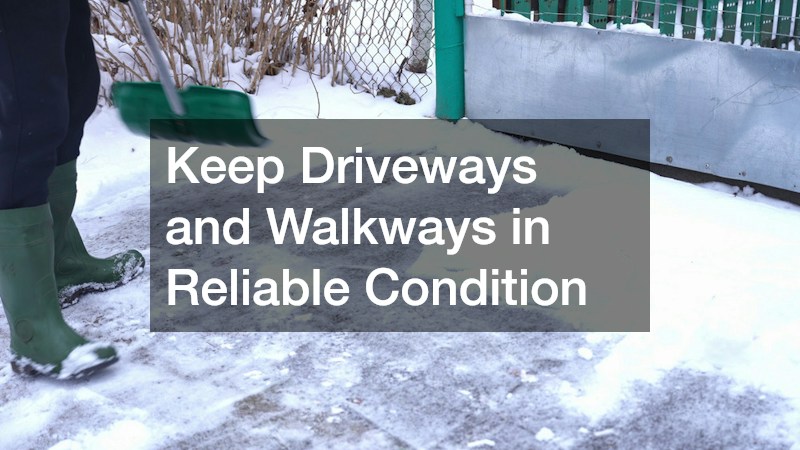
Winter conditions can quickly change how safely residents and visitors move around a property. Snowfall reduces visibility along paths and driveways, while melting snow can refreeze into slippery patches after temperatures drop. Waiting until a major storm arrives to organize supplies or arrange assistance often makes outdoor maintenance more difficult. Preparing in advance helps minimize interruptions when bad weather begins.
A residential snow removal company can provide scheduled or storm-based clearing for driveways and other designated areas. Before hiring a provider, clarify which surfaces are included, how service timing is determined, and where collected snow will be placed. Piles should not block sightlines, drainage structures, sidewalks, or necessary access points. Homeowners should also confirm whether ice treatment is included or requires a separate arrangement.
Snow removal becomes easier when the property is prepared beforehand. Mark driveway edges and hidden obstacles, repair raised pavement where possible, and move decorative items that equipment could strike. Keep shovels and appropriate traction materials accessible without having to cross icy surfaces to retrieve them. Use deicing products in accordance with label instructions and consider their effects on plants, pets, and certain paving materials.
After each storm, look for meltwater gathering near entrances, downspouts, and low spots. These areas can become slippery overnight. With a clear plan and regular attention, winter maintenance can preserve access while reducing preventable hazards.

Inspect Chimneys and Other Exterior Features
A home’s outdoor maintenance needs extend beyond what is visible at ground level. Chimneys, vents, siding, exterior doors, and exposed trim all experience weather-related wear. Damage around these components can allow moisture intrusion, interfere with ventilation, or create other safety concerns. A seasonal visual inspection can help homeowners recognize changes that warrant attention.
For homes with fireplaces or wood-burning appliances, a chimney sweeping service can remove soot and creosote buildup and help identify conditions that require further examination. The frequency of sweeping depends on appliance use and the chimney’s condition, so an inspection is useful for determining appropriate service needs. A chimney professional can also look for obstructions, damaged liners, deteriorating masonry, and problems around caps or flashing. Homeowners should never assume that an unused-looking chimney is safe simply because smoke seems to vent normally.
Check the surrounding exterior for peeling paint, soft wood, separated caulking, and gaps around penetrations. These openings can admit water and sometimes pests. Inspect exterior lighting near entrances and walkways, replacing failed bulbs and repairing loose fixtures where appropriate.
Some maintenance tasks overlap, so it makes sense to coordinate them. For example, a roof or gutter inspection may reveal chimney flashing concerns worth discussing with a qualified contractor. Addressing related problems together can reduce repeated disruptions while helping preserve the home’s envelope.
Build a Practical Seasonal Maintenance Calendar
Property care becomes more manageable when tasks are scheduled rather than remembered only after something breaks. A maintenance calendar can separate quick monthly checks from work that is best handled at specific times of year. It also makes costs easier to anticipate and gives homeowners time to coordinate different service providers before peak seasonal demand.
In spring, inspect winter damage, clear drainage outlets, examine paving cracks, and assess lawn conditions. Summer is an opportunity to monitor plant health, maintain vegetation near structures, and evaluate outdoor surfaces while conditions are generally favorable. During fall, prioritize leaf cleanup, gutter checks, tree evaluations, and winter preparations. In winter, focus on safe access, snow storage, ice monitoring, and signs of moisture problems.
Simple records make the calendar more useful. Note the dates of inspections, the work completed, changes observed, and recommendations from service professionals. Save receipts and warranties so future repairs can be planned with accurate information.
The schedule should also reflect the home’s specific features. A property with mature trees may need more frequent debris checks than one with few nearby branches, while a steep driveway may require additional winter attention. Adjusting priorities to actual conditions prevents unnecessary work without overlooking important maintenance.

Coordinate Professional Services and Prioritize Repairs
Even attentive homeowners encounter projects that exceed the tools, experience, or time available to them. Tree work at height, major paving repairs, chimney servicing, and complex drainage adjustments often warrant professional involvement. Hiring appropriate specialists can help address underlying problems and avoid the risks associated with improvised repairs.
When comparing providers, ask for a clear description of the proposed work, materials, scheduling, and cleanup responsibilities. Verify licensing where applicable, insurance coverage, and any permits required locally. Written estimates should distinguish essential repairs from optional improvements so homeowners can compare the scope of each proposal. A low initial price may not represent the same work as a more detailed estimate.
Prioritization is particularly useful when several needs appear at once. Start with immediate hazards, such as an unstable tree, a dangerously uneven walkway, or a chimney with a suspected safety problem. Next, address active water intrusion and drainage failures that could cause additional damage. Cosmetic enhancements and nonurgent upgrades can follow as the budget allows.
Related projects should be sequenced thoughtfully. Extensive tree work might need to occur before a new lawn is established, and major grading changes should be considered before driveway improvements are finalized. Discussing dependencies with service professionals can help avoid paying to redo completed work.
This approach also creates opportunities to reassess priorities as household needs, budgets, and weather patterns change.
Consistent exterior maintenance supports a safer, more comfortable home and helps preserve the investments homeowners make in their properties. From healthy trees and reliable drainage to stable pavement and winter access, each component contributes to everyday functionality. No single project replaces ongoing attention, but a sensible schedule can make demanding work more predictable. Begin with a walk around your property, identify the most pressing needs, and build a plan that keeps outdoor spaces ready for every season.