
Preparing your home exterior for a new child requires a comprehensive evaluation of your outdoor environment to ensure safety, health, and functional comfort. As you prepare to bring your newborn home, the outdoor space of your property becomes an extension of your family living area. While many parents focus almost exclusively on setting up the nursery and childproofing indoor rooms, the perimeter, yard, and structural exterior of your house present unique hazards that demand equal attention. Taking a systematic approach to outside maintenance and hazard mitigation will give you peace of mind as your child grows from an infant into an active toddler exploring the backyard.
A complete outdoor childproofing strategy addresses structural integrity, environmental hazards, pest management, and secure perimeter boundaries. By inspecting and upgrading these key areas before your baby arrives, you eliminate potential safety risks and prevent costly, noisy repairs during those precious early months when sleep is at a premium. The following detailed steps will guide you through turning your residential outdoor space into a safe, welcoming, and secure sanctuary for your expanding family.
Maintaining Overhead Structures and Roofing

Addressing Structural Integrity Above Outdoor Spaces
The roof and upper architectural elements of your home protect your structure from the elements, but deteriorating components can pose direct physical dangers to anyone spending time in the yard. Before spending extended periods outside with a stroller or setting up outdoor play equipment, you should conduct a thorough visual inspection of your rooflines, eaves, and overhangs. Look for loose shingles, decaying fascia boards, or cracked tiles that could dislodge during heavy winds or storms. Hiring expert roofers to inspect the overall structural condition ensures that high-elevation hazards are identified and resolved before they turn into major safety concerns or sudden leaks that impact your nursery.
Mitigating Water Drainage and Overflow Dangers
A functioning drainage system is essential for preventing structural degradation and eliminating standing water hazards around your foundation. Blocked or broken gutters can spill water directly onto walkways, creating slippery surfaces and promoting the growth of dangerous mold and algae where your family walks. Arranging for timely gutter repair ensures that rainwater is directed safely away from entryways, play areas, and foundations. Clean, properly pitched drainage systems also prevent poolings of water that quickly become breeding zones for undesirable insects.
Securing Overhanging Branches and Tree Safety
Large trees provide beautiful shade for an outdoor play area, but dead or decaying limbs pose a severe threat during sudden weather shifts. Inspect the canopy above your lawn for hanging branches, rot, or structural instability that could crash down near patio areas. Utilizing qualified tree removal services allows you to safely eliminate unstable trees and clear out hazardous overhanging branches. Maintaining healthy trees not only protects your family from falling debris but also increases natural sunlight, helping to keep your yard dry and less hospitable to pests.
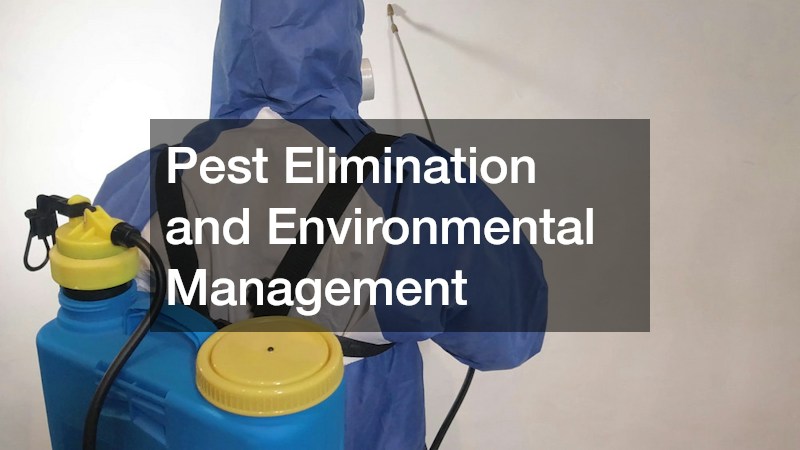
Pest Elimination and Environmental Management
Neutralizing Stinging Insect Nests Around Play Areas
Stinging insects like hornets and wasps frequently build nests under house eaves, beneath elevated decks, or inside hollow tree branches. A sting from these aggressive insects can cause severe allergic reactions in infants and young children whose immune systems are still developing. Enlisting a professional hornet exterminator to conduct a thorough search and elimination of hidden nests ensures your patio and lawn remain safe for family relaxation. Regular checks around soft soffits and dark corners will keep these flying hazards from re-establishing themselves near your primary living spaces.
Controlling Mosquito Populations Near Family Patios
Mosquitoes are more than just a nuisance; they carry diseases and cause uncomfortable bites on sensitive infant skin. Because babies spend time resting in strollers or on outdoor blankets, minimizing insect exposure is a critical aspect of outdoor childproofing. Working with a certified mosquito exterminator enables you to target adult populations and treat standing water areas with child-safe control methods. Creating a protective barrier around your deck and lawn ensures you can enjoy fresh air with your newborn without relying heavily on chemical repellents applied directly to young skin.
Eradicating Crawling Pests from Perimeter Foundations
Insects that nest around the exterior perimeter of your house frequently find their way indoors through tiny cracks in windows, doors, and foundation walls. Implementing a comprehensive pest control strategy along the outer foundation creates a continuous barrier that deters unwanted visitors from migrating into your clean living spaces. Professional application techniques focus on high-risk harborage areas such as mulch beds, woodpiles, and dark crawlspace vents, keeping the home perimeter clean and secure against invading insects.
Target Specific Crawling Hazards Near Storage and Garages
Garages, sheds, and shaded storage areas surrounding your house often attract persistent structural and health-damaging pests. Cockroaches thrive in damp outdoor environments, trash storage zones, and beneath piles of organic debris, posing significant sanitation risks if they enter the home. Securing an effective cockroach control plan for exterior outbuildings and perimeter zones prevents these vectors of bacteria from contaminating outdoor play equipment, strollers, or indoor surfaces.
Exterior Surfaces and Architectural Health

Managing Lead Paint Hazards on Older Homes
If your home was constructed before late twentieth-century housing regulations, the exterior paint on window frames, siding, doors, and porches may contain high levels of lead. Weathered lead paint flakes off into the soil surrounding your foundation, creating a toxic dust hazard that young children can easily ingest when playing in the dirt. Consulting certified lead removal specialists to inspect, contain, and safely remediate hazardous exterior surfaces is a critical step for long-term childhood safety. Safely scraping, sealing, or replacing lead-coated elements prevents toxic exposure before your infant begins crawling and exploring outdoor surfaces.
Refreshing and Sealing Exterior Finishes
Once toxic paint hazards are fully abated, updating your home exterior with fresh coatings improves both structural durability and overall hygiene. Cracked, peeling paint allows moisture to penetrate wooden structures, causing rot and attracting moisture-loving pests. Hiring reliable local residential painters allows you to apply durable, modern, low-VOC exterior paints and non-toxic wood sealants to siding, trim, and porch railings. Clean, sealed surfaces are easy to wash down and maintain, keeping your immediate outdoor living areas bright, clean, and free of splintering wood.
Water Safety and Barrier Installation

Securing Pools and Water Features
Open water represents one of the most critical hazards on any residential property. If your yard includes a swimming pool, hot tub, or decorative pond, securing these features behind multi-layered safety barriers is an absolute priority before your child becomes mobile. Partnering with a qualified local pool contractor allows you to install self-closing gates, compliant perimeter fences, safety covers, and modern perimeter alarms. Upgrading pool surrounds with non-slip decking materials further reduces accidental slipping hazards for parents carrying infants or toddlers running around the water edge.
Installing Secure Fencing Around Yard Boundaries
A reliable boundary fence provides the ultimate structural container for outdoor play, preventing curious children from wandering off into streets, driveways, or neighboring properties. Inspect existing boundary fences for loose boards, rusting hinges, sharp wire protrusions, or wide gaps that a child or family pet could squeeze through. Ensure all access gates feature self-latching locks positioned well out of reach of young children. Adding privacy slats or dense, non-toxic hedging along fence lines also provides extra protection from stray neighborhood animals and wind gusts.
Ground Preparation and Walkway Upgrades
Repairing Unproven and Uneven Paths
Carrying a baby while navigating uneven flagstones, cracked concrete, or loose gravel walkways presents an unnecessary tripping risk for parents and caregivers. Take time to evaluate all primary footpaths, from the driveway to the front door and around to the back patio. Level out sunken pavers, fill deep structural cracks, and ensure smooth transitions between different surface materials. Installing adequate low-voltage exterior lighting along these pathways ensures safe night navigation when carrying a sleeping child or moving baby supplies from the car into the house.
Creating Safe Play Zones with Soft Ground Cover
The natural surfaces in your yard require careful consideration to ensure they are soft, non-toxic, and free from hidden hazards. Inspect the lawn for sharp rocks, exposed tree roots, hidden holes, and poisonous plant species or weeds that can cause allergic reactions upon contact. Designating a specific outdoor play area lined with organic mulch, rubberized play tiles, or thick, chemical-free turf provides a cushioned landing zone for early physical development. Ensure any lawn treatments or fertilizers used on the grass are strictly organic and pet-and-child safe.
Removing Toxic Flora and Sharp Landscape Elements
Many common garden plants, while visually appealing, contain toxic compounds in their leaves, berries, or sap that can cause severe illness if ingested by a curious infant. Review your garden beds and remove potentially dangerous plants such as oleander, foxglove, lily of the valley, and hydrangeas from areas accessible to children. Additionally, prune back low-hanging thorny bushes, clear away sharp decorative stone borders, and replace loose, small gravel that presents a immediate choking hazard for young children playing on the ground.
Outdoor Living Area Optimization
Weatherproofing Decks and Patio Structures
Your deck or patio will likely serve as the central hub for outdoor family time, outdoor meals, and stroller rest periods. Inspect wooden decking for raised nail heads, rotting joists, and rough surfaces that cause splinters on bare feet or crawling hands. Sand down rough wooden surfaces and apply a smooth, child-safe stain to seal the grain against moisture and weathering. Check that deck railings are firmly anchored and that the vertical balusters are spaced no more than four inches apart to prevent a child from slipping through the openings.
Securing Outdoor Furniture and Heavy Equipment
Outdoor furniture, heavy planter pots, and freestanding garden features like birdbaths or decorative statues can easily tip over if pulled on by a child learning to stand. Anchor heavy benches, tables, and grilling stations to stable patio structures or ground mounts. Store lawn care tools, chemical fertilizers, weed killers, and sharp gardening equipment in a locked shed or garage mounted with child-proof latches. Never leave power tools, hoses, or heavy yard machinery unattended in areas where children might play or crawl.
Creating Sheltered and Temperature-Controlled Outdoor Spaces
Infants are particularly sensitive to direct sunlight, extreme heat, and sudden wind exposure. Transforming a section of your patio into a fully shaded, climate-controlled retreat allows your baby to enjoy the outdoors comfortably and safely. Install high-density UV-blocking shade sails, retractable awnings, or screened patio enclosures to protect delicate infant skin from harmful radiation. Adding quiet outdoor ceiling fans or mister systems to covered porch ceilings can help circulate fresh air and maintain a cool, comfortable environment during warm summer afternoons.
Establishing Maintenance Schedules for Seasonal Upkeep
Planning Routine Inspections Before Every Season
Outdoor safety is not a single project completed before birth, but a continuous commitment that changes with the seasons. Spring rainstorms can loosen roof tiles, summer heat can accelerate insect breeding, autumn winds bring down heavy branches, and winter freezes expand driveway cracks. Establishing a quarterly exterior maintenance calendar ensures you stay ahead of potential hazards rather than reacting after a problem occurs. Taking thirty minutes at the start of each season to walk your entire property perimeter with a fresh perspective will help you catch minor safety defects early.
Adapting Outdoor Environments to Child Growth Stages
As your child transitions from a stationary newborn resting in a bassinet to an energetic toddler running through the yard, your exterior setup must adapt accordingly. Re-evaluate play areas every six months to match your child’s developing physical capabilities, reach, and curiosity. What began as a soft shaded spot for infant tummy time will eventually need to accommodate running, climbing, and active ball play. Continuously refining your perimeter barriers, surface cushions, and storage locking mechanisms ensures your home exterior remains a safe haven through every stage of early childhood.
Preparing your outdoor living space for the arrival of a newborn requires foresight, thorough planning, and timely physical maintenance. By systematically evaluating and addressing structural risks, potential health hazards, water boundaries, and pest activity around your home, you establish a safe environment where your family can flourish. Starting these exterior improvements well before your delivery date ensures that every project is completed without unnecessary stress or disruption. Once these critical safety measures are in place, you can look forward to relaxing outside and sharing the beauty of the outdoors with your child in a safe, beautifully maintained environment.