
Creating a safe and secure home environment is one of the most meaningful responsibilities parents take on. Every room, outdoor space, and common area can either support a child’s well-being or expose them to unnecessary risk. As families grow and daily routines evolve, many homeowners begin to notice features that may need improvement, reinforcement, or modernization. Thoughtful home upgrades can significantly reduce accident risks, prevent injuries, and help children feel more confident as they move through the spaces where they play, learn, and relax.
Safety focused improvements do more than correct obvious hazards. They also enhance the long term functionality, value, and comfort of the home. Whether a parent is baby proofing for the first time or adapting a space for older children, the goal is to create a place where kids can explore freely while parents enjoy greater peace of mind. From electrical systems to outdoor play areas to emergency preparation, each upgrade plays an important role in building a well protected household.
When you’re looking to protect your home and your children from potential dangers, it’s easy to let things slip through the cracks. Here are some beneficial home upgrades to help safeguard children in different environments throughout your property. By understanding why each improvement matters and how it contributes to everyday safety, parents can make informed decisions that support both practicality and protection.
Installing Electrical Upgrades and Outlet Covers

Modern homes are filled with devices, appliances, chargers, and lighting sources that rely on steady and reliable power. While electricity keeps households running smoothly, it can also pose serious risks to curious children who may not fully understand how dangerous exposed wires, overloaded plugs, or damaged components can be. Upgrading electrical features and adding extra protective measures can significantly reduce shock and burn hazards while helping systems operate more efficiently.
Parents who want to strengthen safety in this area often begin by consulting a residential electrician to evaluate older wiring, outdated outlets, or circuits that may be under strain from modern technology. A professional can identify hidden problems, recommend solutions, and make sure every part of the system meets current safety standards. Beyond basic repairs, many families also invest in upgraded outlets, tamper resistant covers, and improved grounding solutions that provide an extra layer of protection for young children.
Well planned electrical services can also include adding dedicated circuits for high demand appliances, improving lighting in poorly lit areas, and updating older panels to reduce the risk of overheating. These proactive improvements help protect children from accidental contact with unsafe components while supporting a more stable and reliable household power system overall. With thoughtful planning and expert guidance, electrical upgrades become a powerful tool for creating a safer home environment.
Protecting from Outdoor Dangers
Outdoor spaces provide children with valuable opportunities for exercise, exploration, and imaginative play. However, yards, patios, and pool areas can also introduce potential hazards if they are not carefully designed and maintained. Creating safer outdoor environments requires a combination of physical barriers, surface improvements, and smart property planning that guides activity in a secure way.
One meaningful upgrade involves thoughtful yard design that prioritizes visibility, smooth terrain, and clearly defined play zones. Homeowners who focus on proper yard landscaping can reduce tripping hazards, minimize exposure to sharp edges or unstable features, and create open spaces where parents can easily supervise activity. Strategic placement of plants, walkways, and barriers also helps keep children away from areas that may pose a greater risk.
For homes with pools, additional safety measures are especially important. Installing secure barriers, monitored entry points, and protective coverings can help prevent accidental falls into the water. The use of pool safety covers provides a strong layer of physical protection when the pool is not in use and gives parents greater confidence that children will not wander into a dangerous situation. This upgrade can be particularly valuable for households with younger children or visiting guests.
Decks and patios are also common play and gathering spaces, but smooth or wet surfaces can sometimes increase the likelihood of slips and falls. Enhancing traction with upgraded surfaces or textured materials can make a significant difference. Many families choose to invest in slip-resistant decks to create safer movement pathways and reduce the risk of injuries when children are running, playing, or transitioning between indoor and outdoor areas.
By taking a thoughtful approach to outdoor property enhancements, homeowners can create spaces that encourage fun, exploration, and activity while minimizing avoidable safety risks.
Safeguarding Your Floors
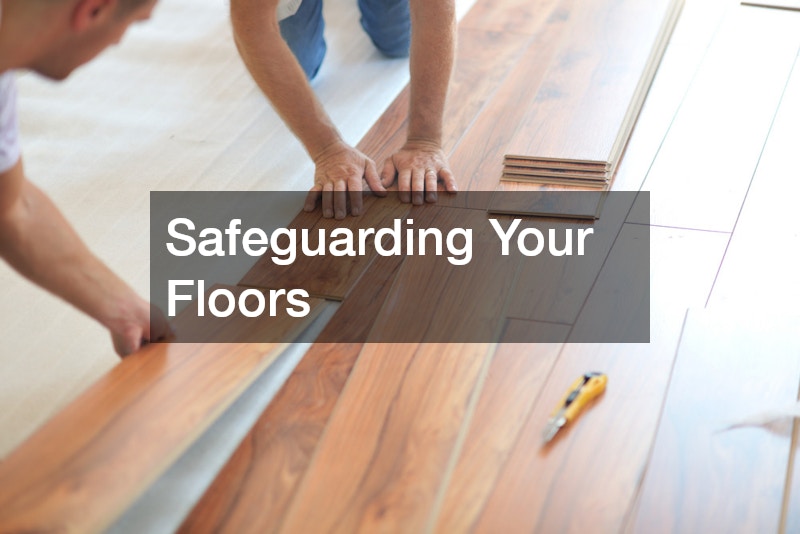
Flooring is one of the most frequently used elements in any home, and its condition has a substantial effect on daily safety. Children spend much of their time crawling, walking, running, and playing directly on floors, which means the surfaces beneath them should be strong, stable, and resistant to wear. Upgrading floors can help reduce slip hazards, improve cleanliness, and create a more durable environment for active families. When floors are smooth, secure, and properly maintained, children are less likely to experience trips, falls, or injuries caused by loose materials or uneven surfaces.
In many homes, certain rooms experience significantly more foot traffic than others, which can cause traditional flooring materials to wear down faster over time. Some homeowners choose to reinforce high traffic areas, playrooms, mudrooms, or basement spaces with specialized finishes that offer added strength and resilience. The use of industrial floor coatings can create surfaces that are easier to clean, less prone to cracking, and more resistant to spills or moisture. This type of upgrade is especially valuable in homes where children frequently engage in creative activities or indoor play, since these coatings help protect against stains, scuffs, and long term surface damage. The result is a safer and more hygienic environment where kids can move freely without parents worrying about frequent repairs or messy buildup.
In addition to safety and durability, upgraded flooring can also play a role in household organization and visibility. Improved floor surfaces make it easier for parents to spot small objects, spills, or debris that could otherwise cause accidents, particularly for younger children who may place items in their mouths or slip on unnoticed hazards. Bright, seamless, or reflective finishes also improve lighting in darker areas, helping families maintain clearer and more open pathways throughout the home. Smoother transitions between rooms reduce the chances of children tripping over uneven edges or worn flooring materials, supporting more confident movement as they grow and develop coordination.
By choosing strong, well designed floor surfaces, homeowners support both safety and long term functionality. These upgrades not only protect children as they play and explore but also extend the lifespan of flooring materials, reduce maintenance needs, and create cleaner, more comfortable living spaces for the entire family.
Removing Potential Dangers
As children grow and begin exploring their surroundings, everyday household objects can turn into unexpected hazards. Large, unstable, or poorly placed items may create tipping risks or limit safe movement around the home. Curious kids may attempt to climb shelves, pull themselves up on tables, or open drawers that are not securely anchored. Identifying and eliminating these dangers plays an important role in creating a secure environment for young family members and helps reduce the chances of preventable accidents.
Homeowners sometimes discover that certain items no longer serve a useful purpose or contribute positively to the layout of a space. Outdated furniture, oversized storage units, or damaged pieces can make rooms feel cluttered and increase the likelihood of injuries or falls. Heavy items that block walkways or restrict visibility can also make supervision more difficult, especially in play areas or shared living spaces. For many families, planning and organizing the home becomes an ongoing process as children grow older, develop new habits, and spend time in different parts of the house.
To create safer, more open layouts, many families choose to rely on furniture removal to safely clear out items that may pose a risk or interfere with movement. Removing worn, unstable, or unnecessary furniture not only reduces physical hazards but also allows parents to rearrange rooms in ways that better support safe play, learning, and relaxation. This step can be especially helpful in bedrooms, living rooms, or multipurpose areas where children spend large portions of their day.
Preparing for Emergencies
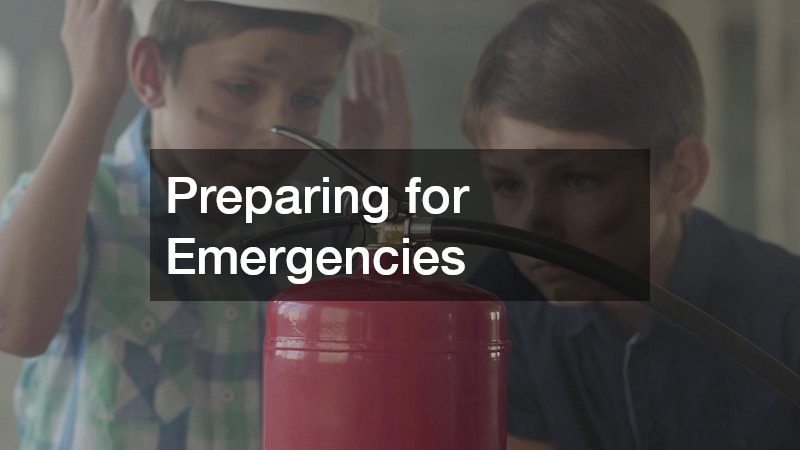
Even with careful planning and preventive upgrades, emergencies can still occur unexpectedly. Taking proactive steps to prepare the home for urgent situations can help protect children and provide parents with greater confidence during stressful moments. Well designed safety systems, clear response plans, and reliable equipment all play important roles in emergency readiness.
One of the most essential protective measures involves the installation and maintenance of fire alarms throughout the home. These devices provide early warning in the event of smoke or fire, giving families valuable time to react, evacuate, and get to safety. Regular testing, proper placement, and consistent maintenance are key to ensuring they operate effectively when needed.
Some homeowners take additional precautionary steps by incorporating advanced safety features into their household systems. Thoughtful fire sprinkler system design can help contain or suppress flames before they spread, reducing structural damage and increasing survival time in critical situations. While not every home includes this system, families that invest in it often gain a significant boost in overall safety and peace of mind.
To keep these systems functioning at their highest level, many families choose to partner with a local fire alarm company for inspections, maintenance, and professional guidance. Expert support helps ensure that all emergency equipment meets regulatory standards and remains ready for use at any time. With strong preparation efforts in place, parents can feel more confident that their home is equipped to handle unforeseen situations.
Blocking Escape Routes
Young children can be naturally curious and may attempt to leave the house or enter restricted areas without fully understanding the risks involved. Preventing unsupervised access to potentially dangerous locations is an important part of a comprehensive home safety plan. This includes paying close attention to doors, entry points, and mechanical systems that could allow children to wander into unsafe environments.
One frequently overlooked area is the garage, which often contains vehicles, tools, chemicals, and other items that could pose a threat. Ensuring that entry points operate securely and reliably can help reduce the chances of accidental access. Many homeowners choose to schedule garage door service to repair malfunctioning components, improve locking mechanisms, and ensure doors close properly.
By strengthening security at this major entry point, families reduce the likelihood of children slipping outside unnoticed or entering an environment filled with hazards. These improvements contribute to a safer household while also enhancing the overall functionality and convenience of the garage space.
Eliminating Pest Problems
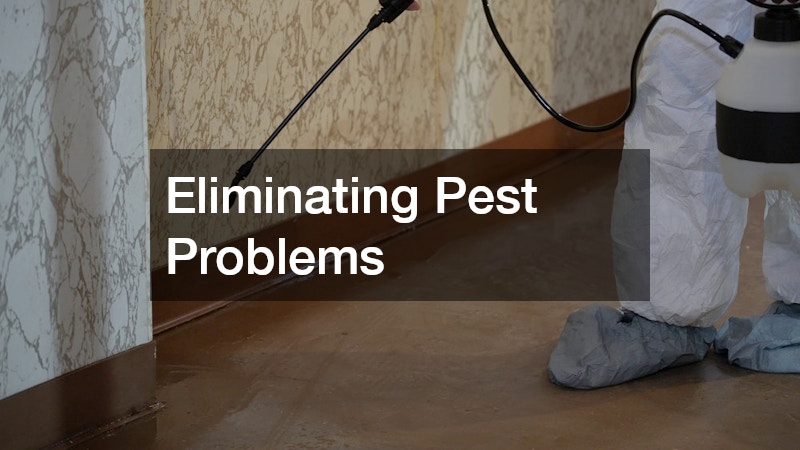
Household pests are more than an inconvenience. They can introduce allergens, contaminate surfaces, and create unsanitary conditions that may affect children’s health and comfort. Effective pest prevention and control play an important role in maintaining a clean, healthy, and protective home environment.
Parents often take steps such as sealing cracks, improving storage organization, and eliminating food sources that attract insects or rodents. While these preventive actions are helpful, some situations require professional expertise to fully resolve. Many families rely on residential pest control services to identify infestations, apply safe treatment methods, and implement long term prevention strategies.
Professional support helps ensure that both visible and hidden pest issues are addressed thoroughly, reducing the risk of bites, contamination, or allergic reactions. A cleaner and healthier indoor environment supports children’s well-being and provides parents with greater confidence that their living spaces are properly protected.
Protecting children at home is an ongoing process that evolves as families grow, routines change, and new safety considerations arise. Thoughtful upgrades provide meaningful ways to reduce risks, strengthen household systems, and create environments that support both comfort and security. Whether parents are improving electrical systems, reinforcing outdoor spaces, upgrading floors, or preparing for emergencies, each improvement contributes to a safer and more supportive home.
By evaluating potential hazards and investing in well planned enhancements, homeowners can build a living environment where children can explore, learn, and thrive with confidence. These upgrades not only promote safety today but also support long term resilience, functionality, and peace of mind for the entire family.